
Trinity Church of England School
Secondary
Culture, Behaviour and Pastoral Care
Known, supported and ready to learn
High expectations, strong relationships and pastoral care work together to help pupils feel secure, confident and ready to succeed.
Parents want to know that their child will be noticed, cared for and guided through the challenges and opportunities of Secondary school.
At Trinity, pupils are part of a community where adults know them, expectations are clear and support is available when they need it. We want pupils to work hard, behave well and aim high, while growing in confidence, character, responsibility and ambition.
High expectations with care: pupils are supported to work hard, treat others with respect, take responsibility and grow into confident members of the Trinity community.
A calm and purposeful school
Clear routines, consistent expectations and positive relationships help create an environment where pupils can concentrate on learning.
Pupils are supported to understand what good behaviour looks like, why it matters and how their choices affect other people. Our expectations are built around respect, responsibility and care for the wider community.
High expectations with care
At Trinity, behaviour is not simply about following rules. It is also part of learning to take responsibility and developing character.
We recognise that young people sometimes make mistakes and need guidance. Staff help pupils reflect on their choices, understand their impact and move forward positively. Where appropriate, pupils are supported to repair harm and rebuild relationships.
How pupils are known and supported
Smaller communities and trusted relationships help pupils find their place within Trinity Secondary.
Family Groups and daily belonging
Family Groups give pupils a smaller daily community within the wider Secondary school.
Family Group leaders see pupils regularly and provide a consistent point of contact. This time helps pupils settle, prepare for learning, raise concerns and develop positive habits.
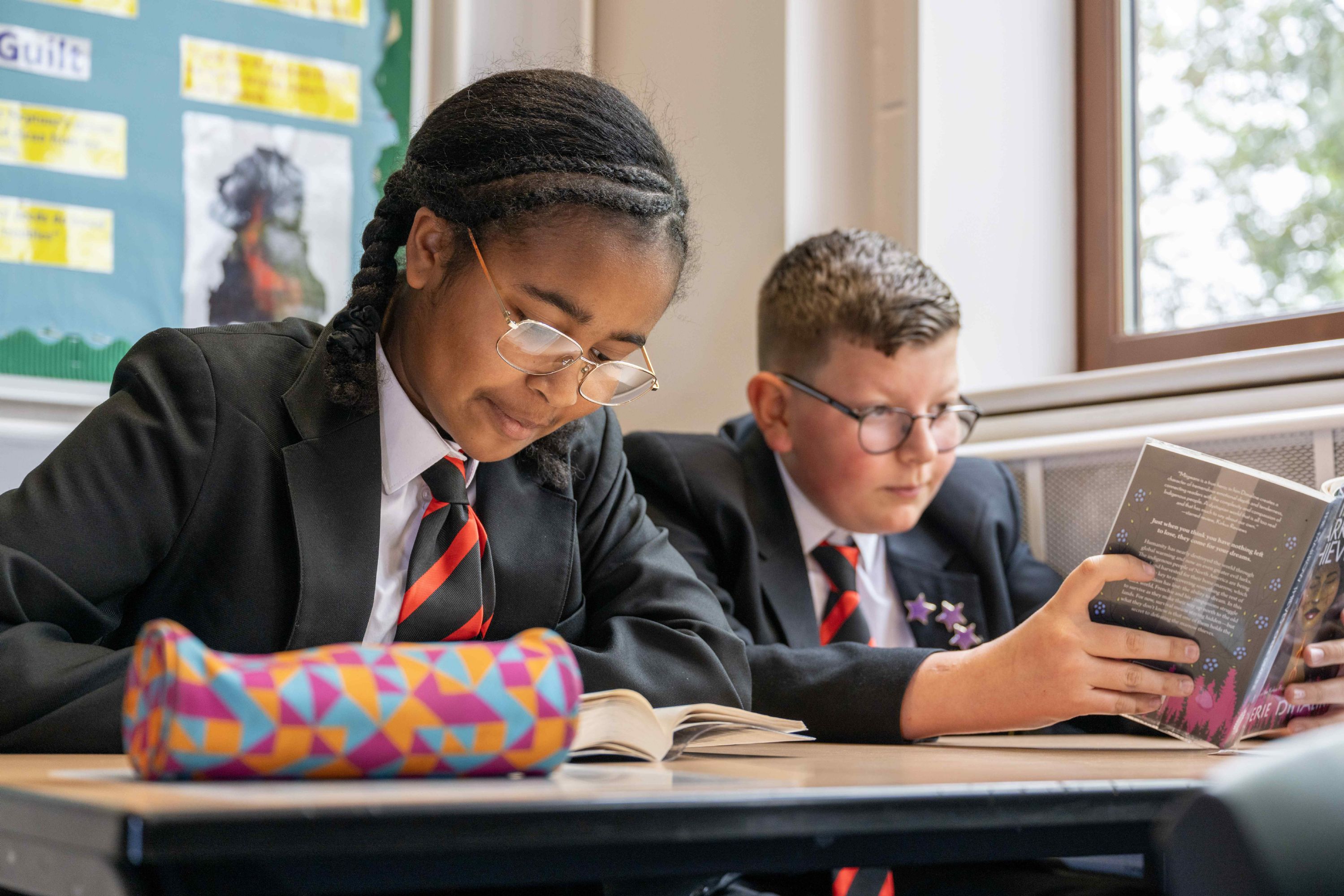
Family Group time also supports reading, PSHE, character development, revision skills, community awareness and wider personal development.
Houses and smaller communities
Every pupil belongs to a House, creating another smaller community within the wider Trinity family.
Our five houses at the secondary are:
| Zephaniah | |
| Phoenix | |
| Lawrence | |
| Isaac | |
| Mizen |
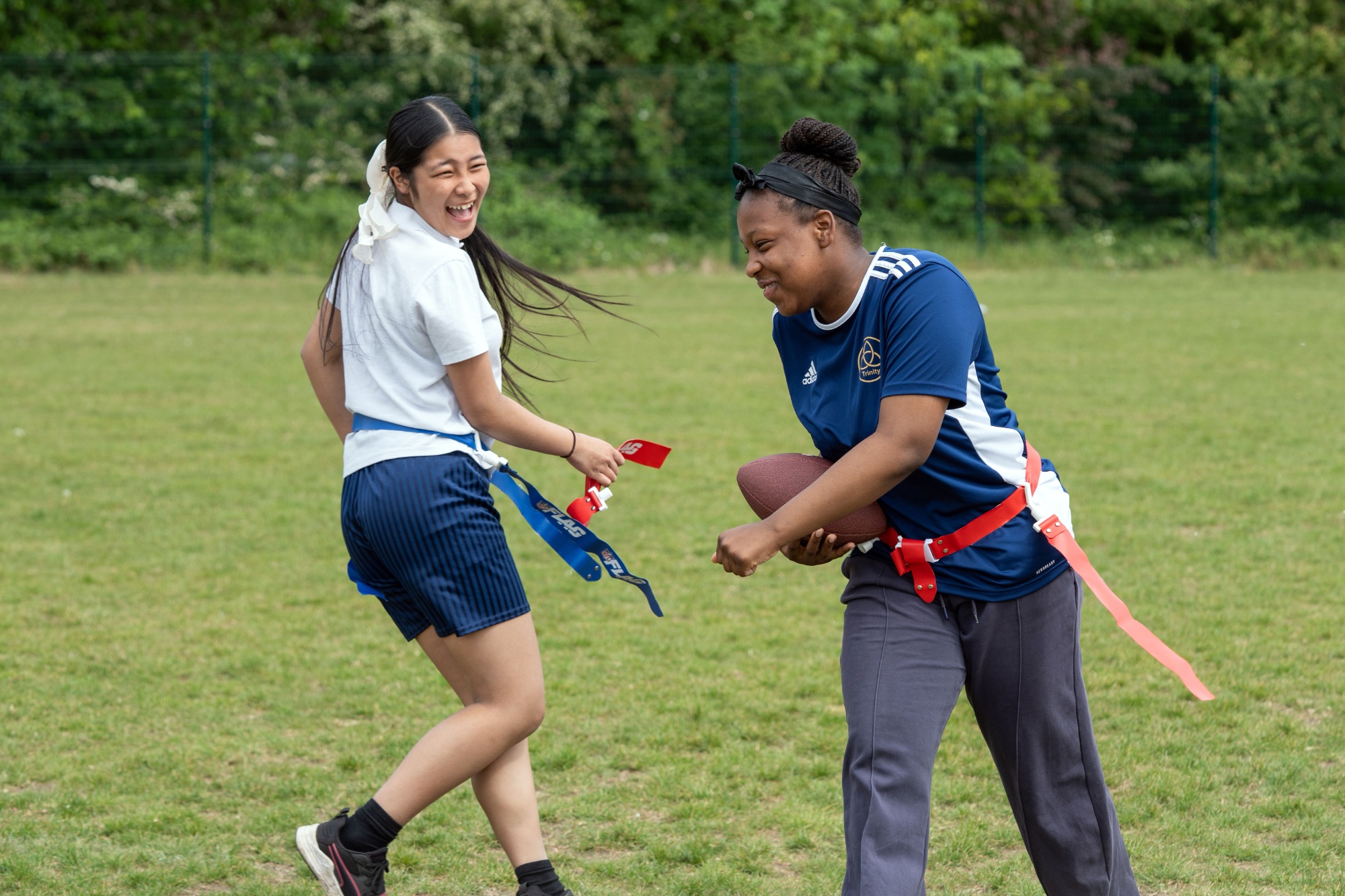
Through Houses, pupils can take part in competitions, challenges, charity work, leadership opportunities and events that celebrate effort, teamwork and contribution.
Recognising positive choices
Praise, encouragement and rewards help pupils understand that effort, kindness, resilience and contribution matter.
Positive behaviour is recognised through classroom praise, House points, leadership opportunities, participation in events and celebrating pupils who demonstrate Trinity values in action.
Support when it is needed
Growing through Secondary school is not always straightforward. Pupils may sometimes need additional help with learning, friendships, wellbeing or circumstances beyond the classroom.
Pastoral care at Trinity begins with knowing pupils well. When support is needed, staff work together with pupils and families to understand the concern and consider the appropriate next steps.
Pastoral and wellbeing support & Useful Contacts
Support may involve Family Group leaders, Heads of Year, senior staff, mentoring, wellbeing support, SEND support or communication with parents and carers.
Where appropriate, additional support may include counselling, mindfulness, emotional regulation strategies, targeted interventions or support from external agencies.
Pupils are encouraged to speak to a trusted adult when something is worrying them.
|
Ms C Onanda |
Assistant Head Teacher Behaviour |
Ms A Lewis A.lewis@trinity.lewisham.sch.uk
|
School Counsellor |
|
Ms H Denoon H.Denoon@trinity.lewisham.sch.uk
|
Behaviour Manager |
Ms S Simmons S.Simmons@trinity.lewisham.sch.uk
|
School Mentor / Pastoral Support |
|
Mr G Ojoawo G.Ojoawo@trinity.lewisham.sch.uk
|
Head of Year 8 & Behaviour officer |
Ms K Kelly |
KS3 SEN manager |
|
Ms K Osadolor K.Osadolor@trinity.lewisham.sch.uk
|
Head of Year 9 & Behaviour officer |
Ms R Samuels R.Samuels@trinity.lewisham.sch.uk
|
KS3 SEN manager |
|
Mr C Soleyn C.Soleyn@trinity.lewisham.sch.uk
|
Head of Year 10 |
Mr Morhen |
Director of Character Education, and Careers Support |
|
Mr E Adebanwo E.Adebanwo@trinity.lewisham.sch.uk
|
Head of Year 11 |
Ms K Taitt |
Safeguarding officer |
Safeguarding and SEND
Safeguarding is central to school life at Trinity. We are committed to promoting pupils’ welfare and providing an environment where concerns can be shared and responded to appropriately.
Some pupils may also need additional support with learning, communication, emotional regulation or sensory needs. Further information is available through our Safeguarding and SEND pages.
Pupils have a voice
Pupils are active members of the Trinity community, not simply recipients of it.
Through Trinity Voice, buddies, peer mentors, Wellbeing Ambassadors and other leadership opportunities, pupils can support others, share ideas and contribute to school life.
These opportunities help pupils develop confidence, empathy, responsibility and leadership while strengthening the sense that everyone has a part to play.
Working with families
Strong pastoral care works best when school and home work together.
Parents and carers know their children well, and we value communication with families when questions or concerns arise. Where a pupil needs additional help, school and home can work together to understand the concern and consider the appropriate support.
A culture where pupils can flourish
Culture, behaviour and pastoral care are not separate from learning. They help make successful learning possible.
From Year 7 to Year 11, pupils are encouraged to work hard, treat others well, take responsibility, seek help when they need it and contribute positively to their community.
Our aim is for pupils to leave Trinity as confident, capable and compassionate young people, ready for their next step.
Useful information
Contact us
If you have a question about culture, behaviour, pastoral care or support at Trinity Secondary, please contact the school.
Secondary Phase: Trinity Secondary, Taunton Road, Lee, London, SE12 8PD
Telephone: 020 8852 3191
Email: admin@trinity.lewisham.sch.uk

Trinity
Primary
Leahurst Road,
London,
SE13 5HZ
Secondary
Taunton Road, Lee,
London,
SE12 8PD